Introduction
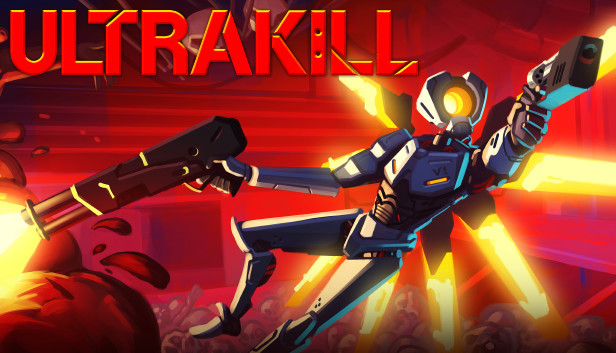
Hello everyone and welcome to my first official blog post! To kick things off I thought it would be best to start by talking about a game that has been demanding my attention as of late, Ultrakill. Developed by Arsi “Hakita” Patala and published by New Blood Interactive Ultrakill is a first person shooter with an emphasis on style combat. As of writing Ultrakill is currently in early access possessing two of what seems to be three planned acts.
Overview
Under normal circumstances I would like to wait for the full game to be released before talking about it here. However what’s been released is already so impressive it easily warrants discussion if for no other reason than to draw more attention to a game that very well has the capacity to become a masterpiece. Additionally most of the content is already present with the current build only missing the final act as well as a few teased gameplay elements.
Ultrakill itself is a style shooter that draws heavy inspiration from the likes of Bayonetta and Devil May Cry. Utilizing their focus on spectacle it also takes influence from so called ‘Boomer Shooters’ like Quake and Unreal tournament. On the surface this seems like an odd combination but put into practice it’s nothing short of a match made in heaven.
Story
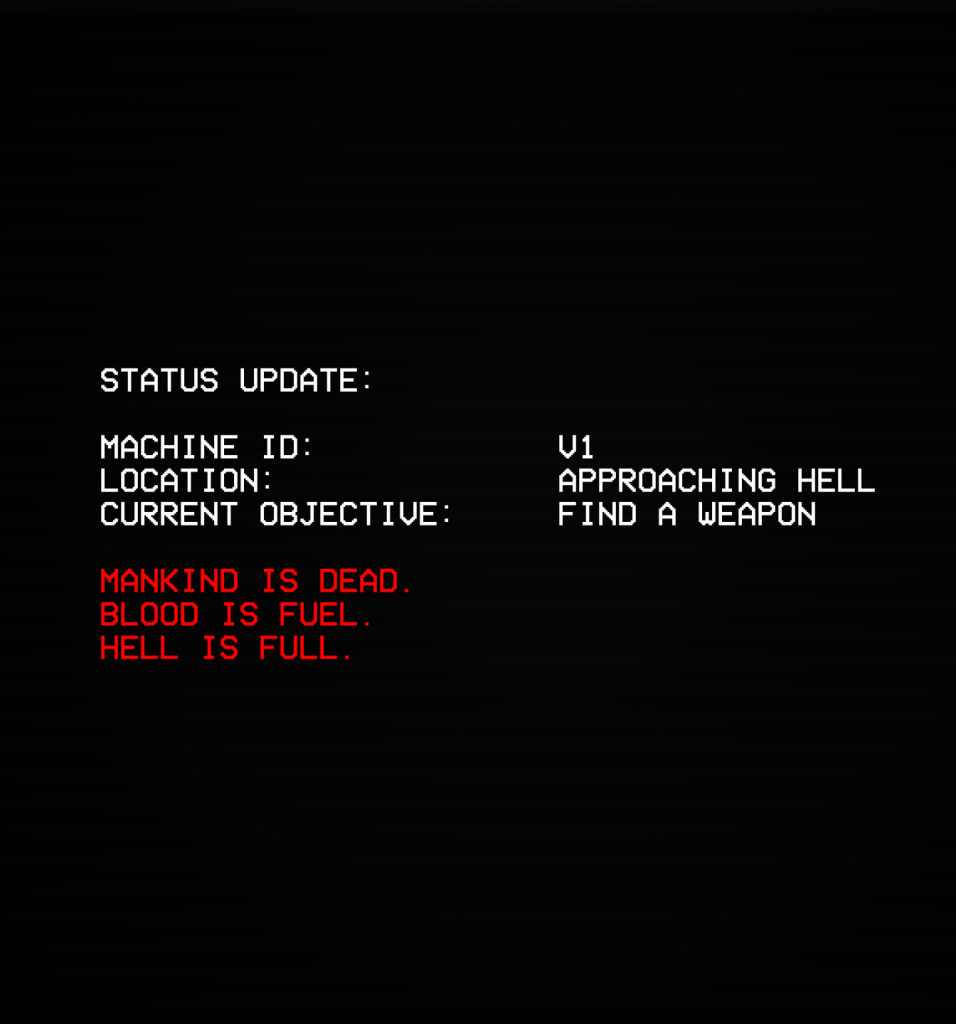
Ultrakill starts as all good stories do, with the main character plummeting into the depths of Hell. You play as V1, a robot who runs off blood and has opted to brave the seven layers of Hell in order to kill the beings that reside there to utilize their life essence for his fuel. During its crimson quest, the killer robot engages in battles against both demons and angels, as well as trapped souls and other machines that crave their share of blood.
Altogether though Ultrakill’s plot line is not its main selling point. For those who need context for the carnage, some is presented to you, although if you want a deeper understanding you’ll have to dig for it I’ll avoid going into spoiler territory here since the way most of the writing is presented is through terminals tucked away at the end of secret levels so the intention was clearly to make you seek out these bits of lore.
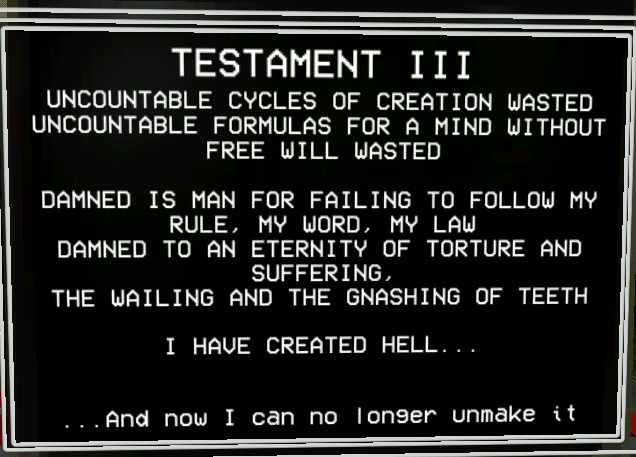
I will say that I did enjoy what I found and was pleasantly surprised by the details of the larger setting. The quality of the writing itself really does go above and beyond, with one secret level in particular boasting a philosophical discussion that looked like it could have been pulled from the pages of Disco Elyisum’s script.
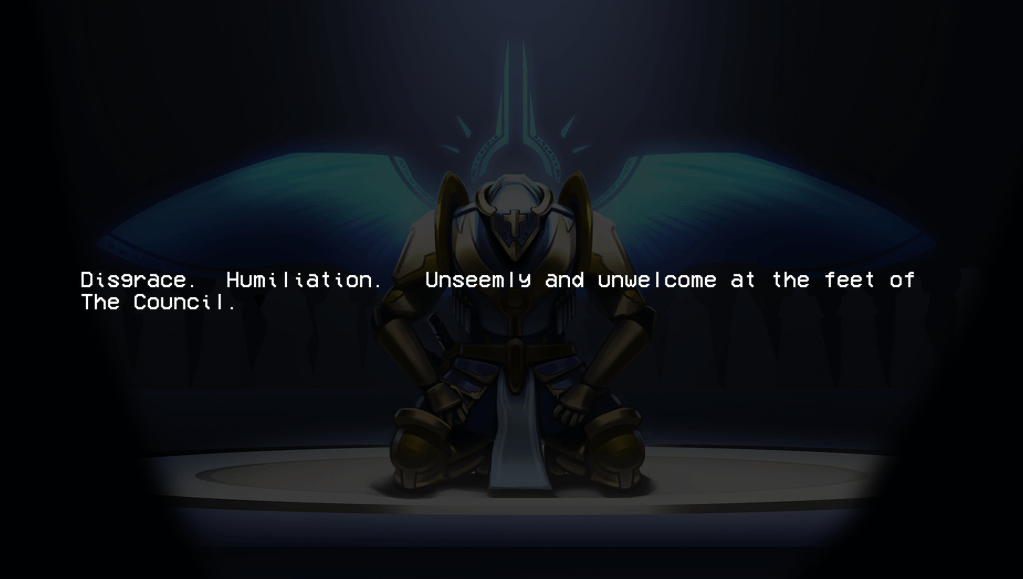
Strangely though I would say that the only area in which the presentation of the game’s story feels lacking is in the end of act cutscenes. Alone they are inoffensive and perhaps even exist as a callback to the olden days of storytelling in FPS’s as seen through the original Doom. However in practice they feel like more of an afterthought especially when so much of Ultrakill’s story is interpretive.
Lore isn’t the only thing that you’ll get through these text stuffed terminals as much of the writing is presented through these screens. For instance at the start of each level you’ll be presented with a monitor that allows you to customize your gear. While I’ll dive more into the mechanical side of things in the Gameplay section you can also use this screen to view additional details on the game’s weapons and enemies. Some of the text consists of advice on how best to use the weapon however much of it exists for flavor, sprinkling in some humor here and there.
Which is an apt way to describe the tone of Overkill as a whole. Successfully walking that fine line between presenting players with a narrative but not taking itself too seriously. This much is evident by the number of references made to Youtubers sprinkled throughout the game including but not limited to Civvie11 and MandaloreGaming. Given the games style I found these easter eggs to be fitting inclusions which, along with some more general gaming references, really makes Ultrakill feel like a passion project.
Gameplay
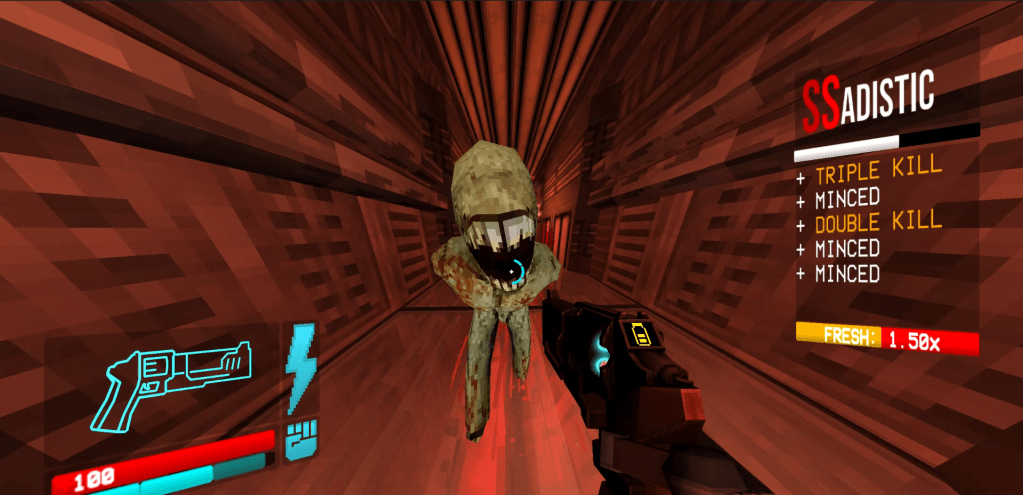
First off, allow me to just say God damn do I love the gameplay of Ultrakill. Before I get into why first let me start off by describing how it works. Ultrakill is a level based stylish shooter with combat that focuses on pitting you against enemies in small arenas. All of your weapons have an infinite supply of ammo although some like Nailcannon and Railgun require time to charge up. Along with the usual movement capabilities you’d expect from a shooter (running, jumping, strafing, etc) V1 is also equipped with a slide which can send the player hurdling in any direction. The bloodthirsty bot is also capable of performing dashes and wall jumps, however both are limited to three with the latter being restored by touching the ground while the former charges whenever you’re not sliding.
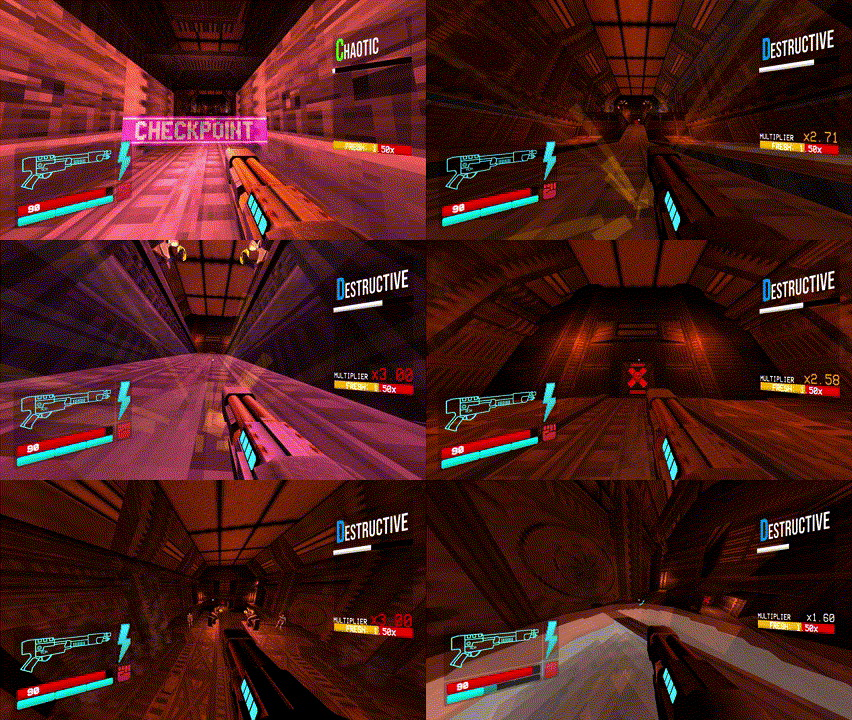
To those accustomed to playing movement shooters Ultrakill has all of the bells and whistles typical of the genre. It’s defining factor comes in the form of style and how that impacts gameplay. Style is acquired through defeating enemies and will rank the player based on the difficulty and variety of moves displayed. However, as aesthetically pleasing as it is to see the text ULTRAKILL appear on the top of the screen at the end of a massive enemy horde, style does more than just provide you with a grade.
As previously alluded to, V1 feeds off blood which means the only way to heal in game is by getting up close and personal with your enemies when you deliver the finishing blow. On paper this would make the game fairly easy since it’s not particularly difficult to get in range of an enemy that you intend on sending to…wherever demons go when they die in hell. It’s not so simple as taking too much abuse begins to build up ‘Hard Damage’ which lowers your maximum health capacity. The only way to restore this hard damage is by building up higher style.
Now I know I keep talking about style but don’t really give much detail on how it is you earn it. According to the Ultrakill fan wiki there are 50+ individual combos that the game recognizes which vary in terms of how much style they’ll award the player. For instance a basic “combo” is simply a kill awarding the player 30-45 points. Most are more difficult than this such as interrupting an enemies attack by shooting their weapon just before they launch their projectile which awards 100 points. These combos can also be chained together which slowly begins to build up the meter which itself ranges from D rank (200 points) all the way up to Ultrakill (1,500 points).
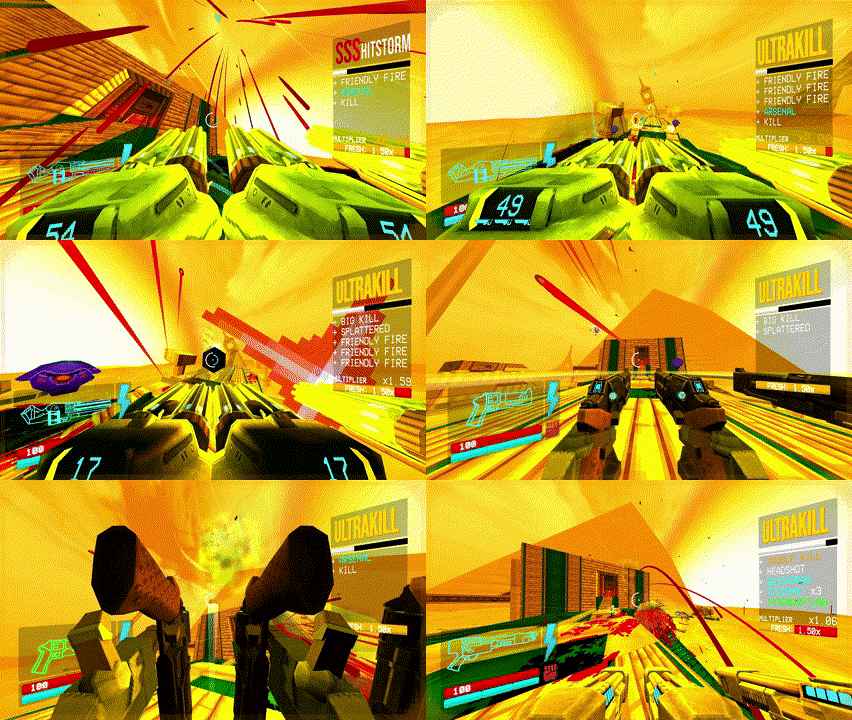
All of this encourages a playstyle that is as enjoyable to witness as it is to master. The style system pushes the player to take the fight to the enemy, keep up the assault, and utilize the entire arsenal. Speaking of which, the firearms that V1 collects are a fantastic selection that each have their own part to play. The starting pistol for instance is your go-to medium to long range weapon, capable of picking opponents off at any distance. Meanwhile the shotgun devastates in close quarters, even piercing through weaker enemies to truly shred through packs.
Each weapon also comes with alternate fire modes which can be switched out on the fly or even combined by the savvy player. To use the pistol as an example once again it’s alt fires include a powerful piercing laser, a coin toss ability wherein bullets that hit the coin bounce off to hit enemies weak points, and a ricochet shot where bullets bounce off walls. The best part of these abilities is that not one is more useful than the other which goes for any of the weapons. They all have their situations where one is superior over the other.
Which brings me to another area of praise, the skill ceiling which is very high. For the most part I found Ultrakill’s main campaign to be an easier experience, when playing through the game on its intended difficulty setting. However, replaying the levels in an attempt to perfect them truly made me recognize the kind of attention to detail that was applied to combat. As the levels get more advanced so will your techniques with higher ranking demanding smarter use of your weapons.
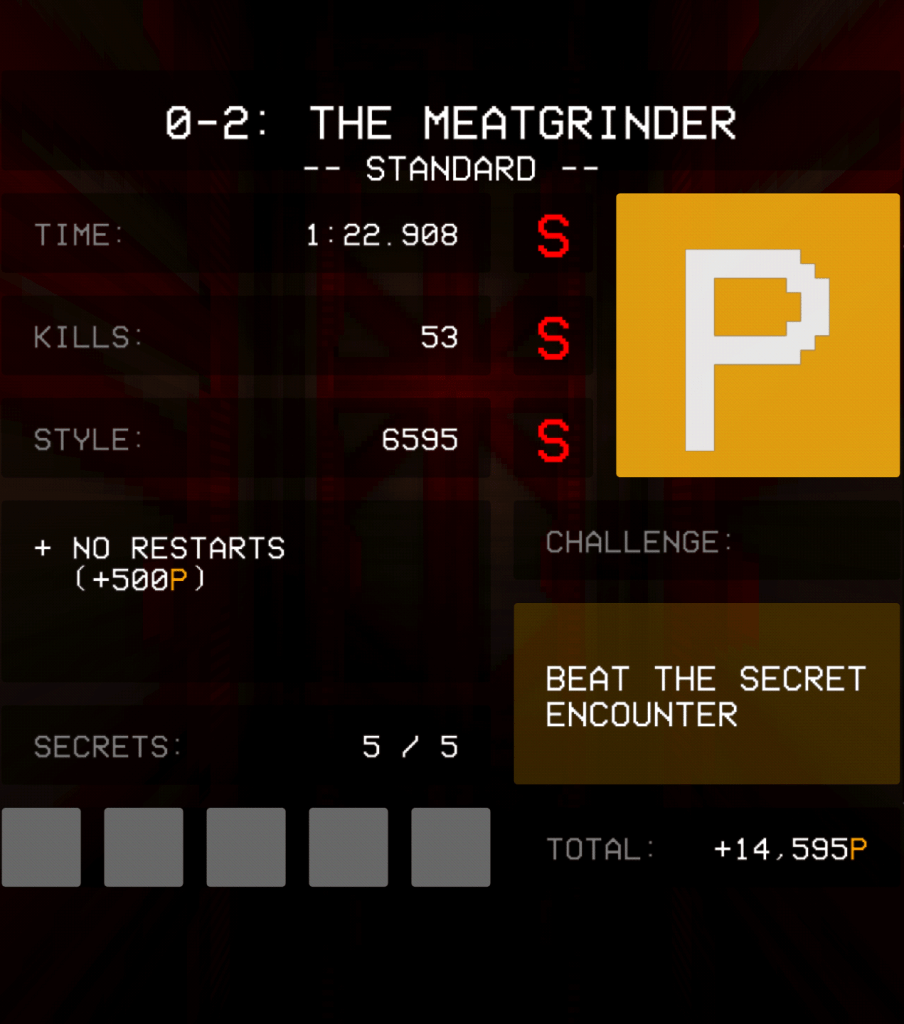
Say for instance one level pits you against a pack of low strength enemies. You may just be inclined to use the Nailcannon to slice through them in seconds but that won’t net you many points. You could then group them up and fire a grenade launcher round in the midst of them which will provide a nice bonus but may not be effective at getting all of them. Or you could fire a grenade launcher round skyward, switch weapons to the railgun, and hit that mid air explosive with a beam of red hot death to create an even more massive explosive that reduces anything in the vicinity into a red mist.
Ultrakill is full of these different weapon interactions that welcome experimentation and reward skillful play. It all blends really nicely with the levels which are short carefully crafted experiences that keep the action going. Most of them are paced spectacularly providing moments of calm navigation before erupting into violence once more.
There are however definitely some sections that are less polished than others with one of the later level sets, ‘Wrath’ possessing some of my least favorite sections of the game. Many of these levels can lean a bit too hard on their gimmicks, most egregiously sections like ‘In the Wake of Poseidon’ which are nearly entirely underwater. Being submerged swaps out your normally snappy and responsive controls for a lethargic floating effect. However levels like these are few and far between with most being more enjoyable to replay over and over again. For instance the second level of the previous act entitled ‘God Damn the Sun’ has some of the best battles Ultrakill has to offer, pitting players against a variety of enemies in unique arenas and even throwing some powerups into the mix to really amp up the intensity.
Presentation
Ultrakill goes for a retro look that is common in both the Boomer Shooter genre as well as New Blood’s lineup. Ultrakill’s prologue lulls you into a false sense of mediocrity with its setting of dark, dull industrial corridors. Visually they’re fine but wholly uninteresting bordering on the generic. All of which goes out the window the moment you enter Act 1’s ‘Limbo’. A beautiful lush garden with the sunlight above and birds chirping all around. Although even that is yet another misnomer as after the first level where the once calm foliage descends into a fiery hellscape.
This trend of each new level set bringing with it a unique environmental theme continues throughout the game taking the player from the depths of the ocean floor to the rooftops of high tech cities. All of these fit the loose theme of the seven layers of Hell as described in the epic poem “Dante’s Inferno” (Limbo, Lust, Gluttony, Greed, Anger, Heresy, Violence, Fraud.). The fantastical nature of descending through hell benefits the game by allowing for this eclectic group of environments to really shine.
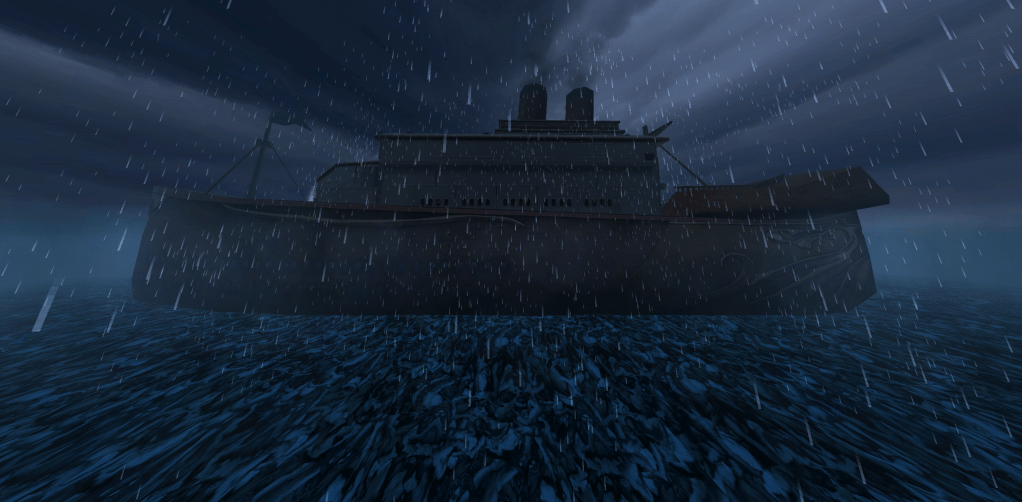
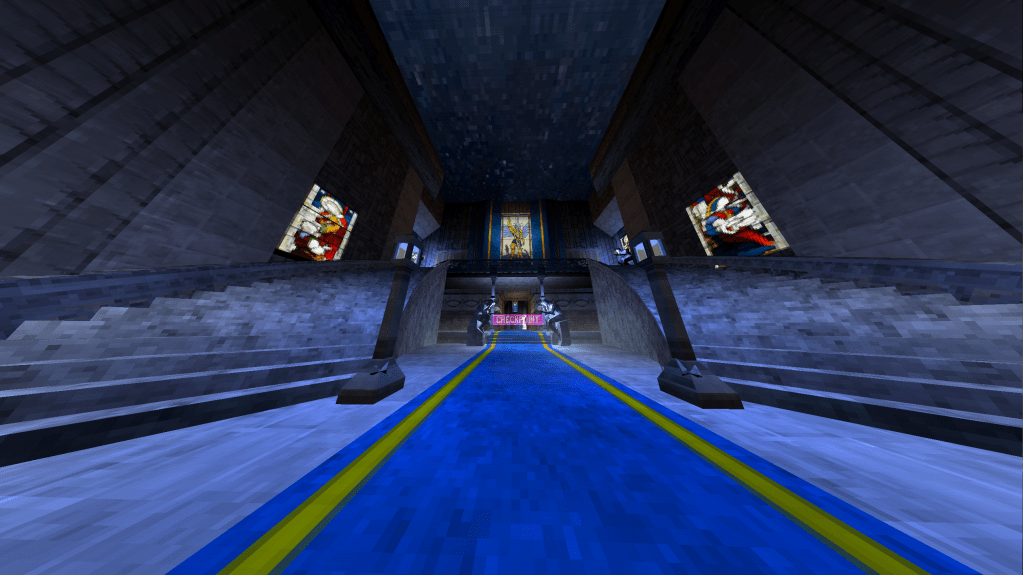
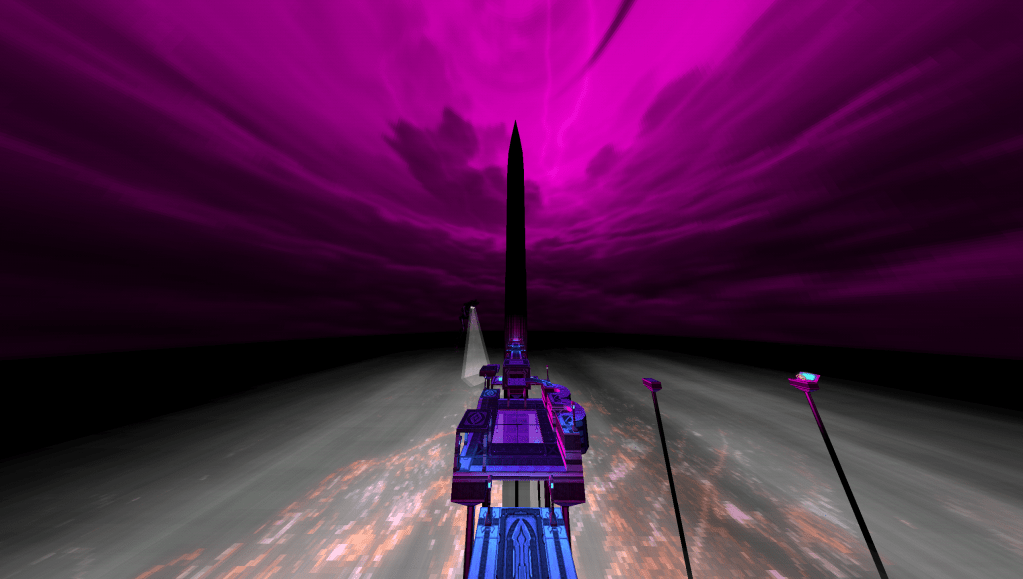
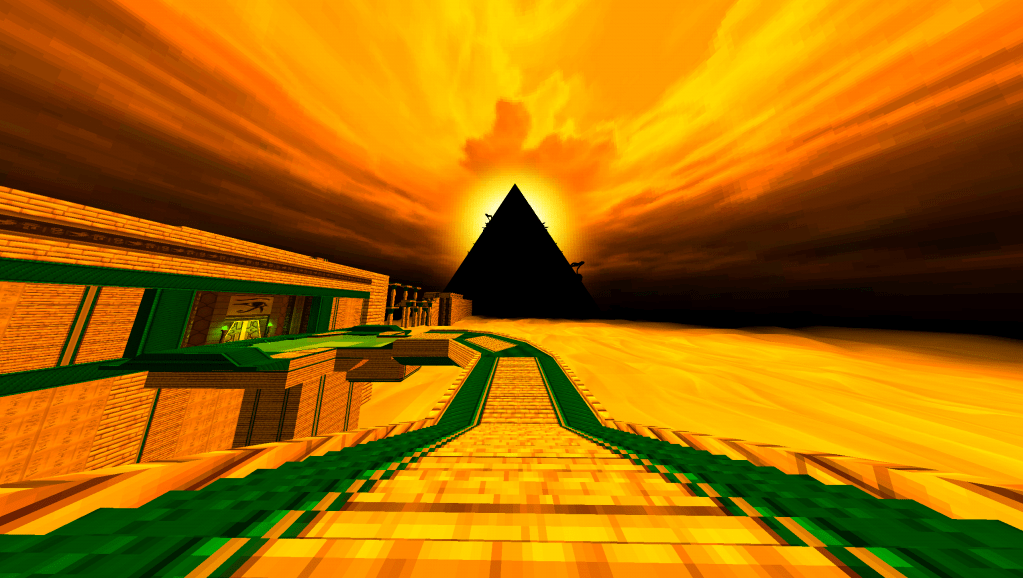
And perhaps the best part is that many of these environments aren’t static either. Each arena is full of hazards and traps, some of which can be used to your advantage while others are more direct obstacles. Some examples include the prologue’s deadly grinding gears, the burning sands of the desert, or the deadly current on the ocean’s surface. Aside from what can be directly interacted with though there’s also destruction effects which can really make the action come alive. There’s nothing quite like stepping back after a minutes-long battle to admire the destruction your fight left in its wake.
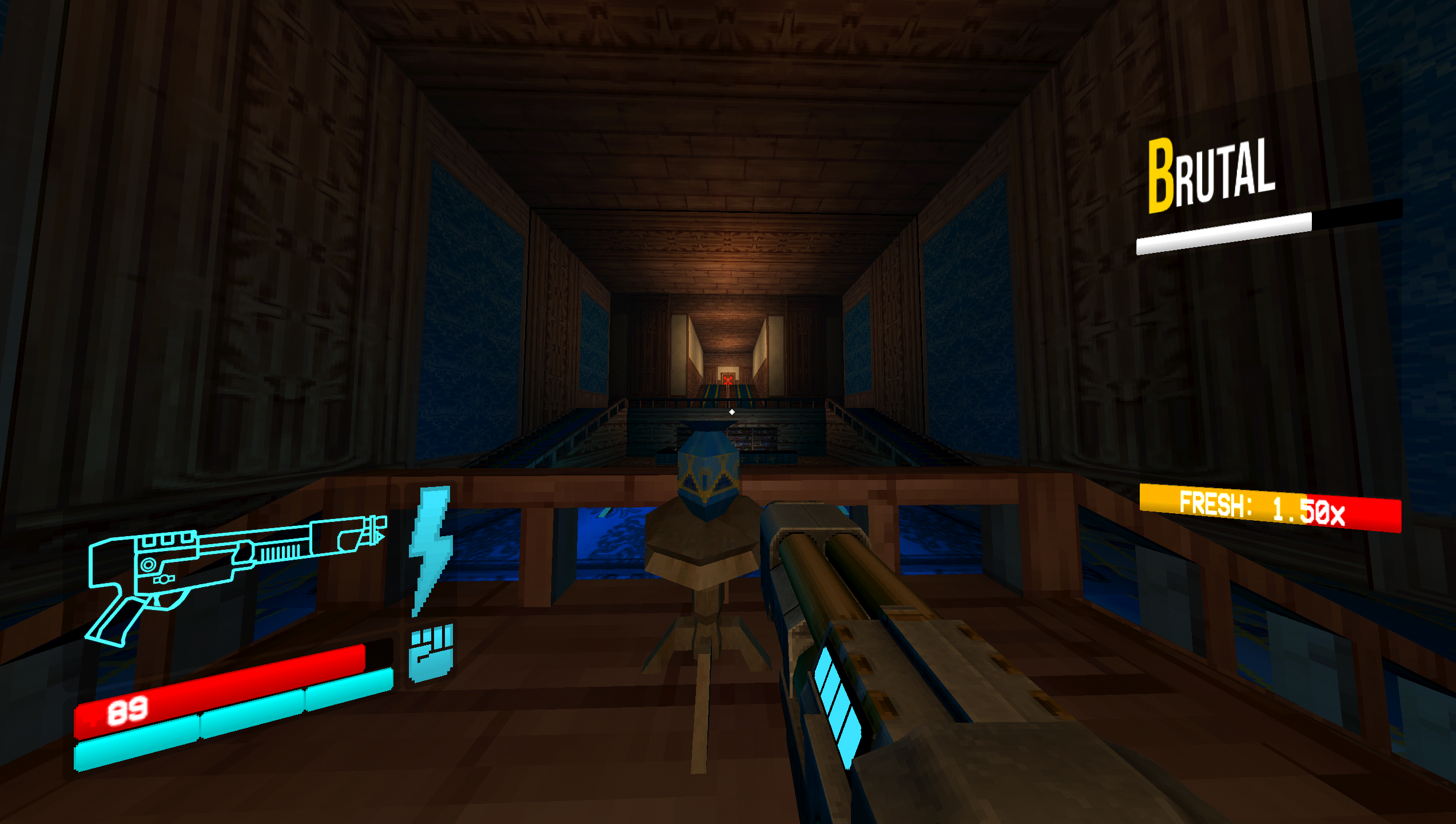
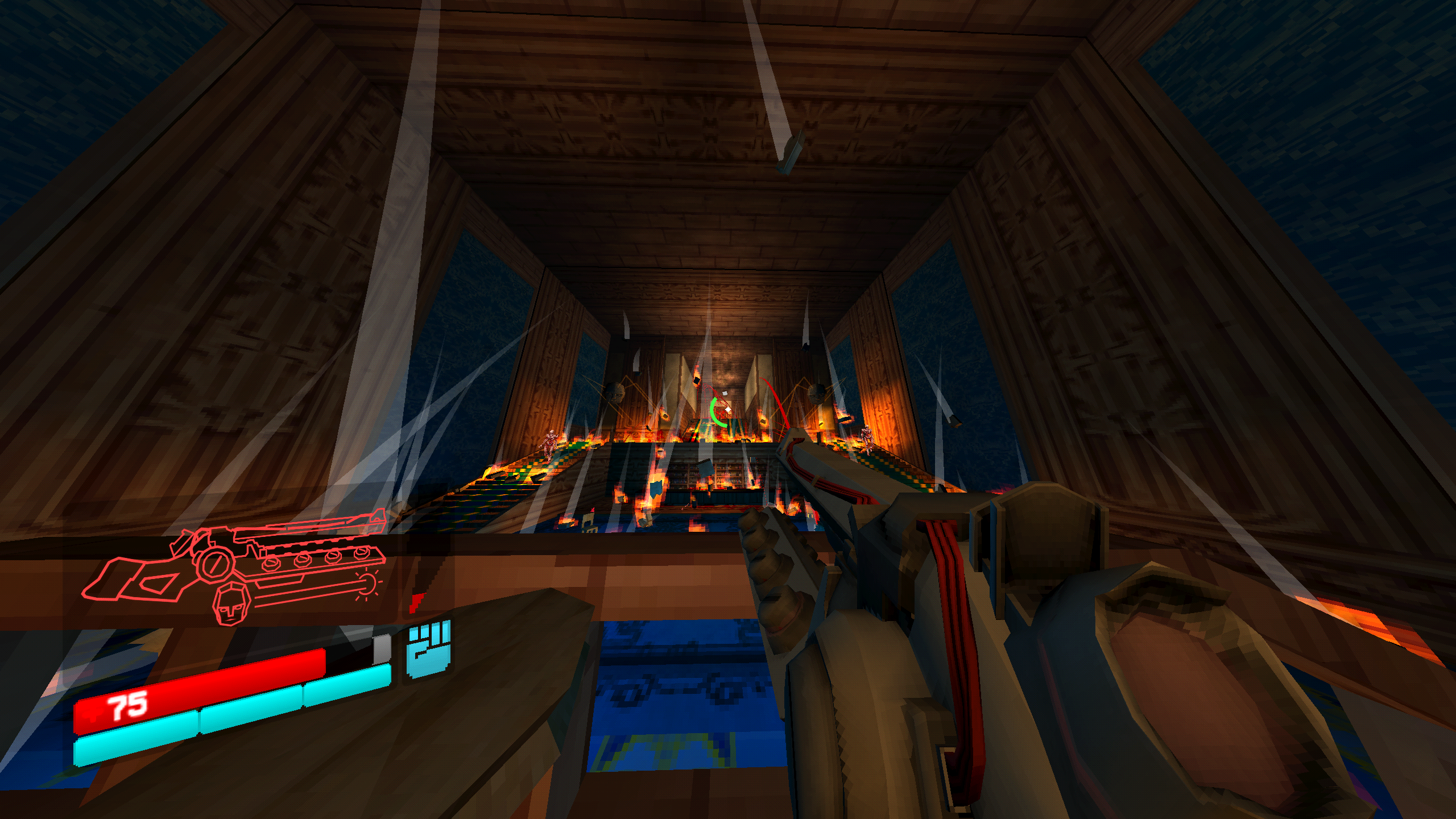
Not to mention the vehicle of that very destruction, your arsenal, which are equal parts aesthetically pleasing and functional. Each of them displays their information cleanly, such as the remaining coins left on the Marksmen revolver or the number of times you’ve overcharged your pump shotgun. Similarly other vital information like your remaining dashes and health are displayed both on the bottom left hand corner of the screen and attached to your crosshair. However this can be switched out for other UI’s through the options menu, allowing players to customize the interface to their liking.
Then there is, of course, the soundtrack. Also done by the Ultrakill’s developer it encompasses a range of different genres. There’s rock, techno, and even some more orchestral music all of which is designed to fit with the theming of the level. Largely what’s present is fantastic although like with the levels themselves there are some dips in the quality here and there along with some odd silent parts of some sections. While I understand that this was likely a pacing decision, fighting without the pulse pounding tunes to score the scene can really make a difference.
The sound design in general is also definitely worthy of praise, providing the player with just as much necessary feedback as the visuals. Certain enemies like the Street Sweepers will play a certain sound effect prior to their attacks, allowing the player to respond accordingly. Your weapons too will provide sound effects like the different rail guns each possessing a unique hum so you can know which is equipped without even needing to glance at the model itself. So much attention to detail is present here, with perhaps the most impressive part being that neither the music nor sound design is hampered by the other. Together they simply orchestrate a sweet symphony of beautiful chaos that plays into the gameplay wonderfully.
Summary
I really couldn’t ask for a better title than Ultrakill to kick off these posts with. Already it is easily one of the best games I played this year and is one I can not recommend enough. For lovers of frantic, high octane action Ultrakill is a title that just can not be missed. While I can understand waiting for the game to fully release the version available right now, at just a twenty five dollar price tag, is easily worth the price of admission.
 Jason Licitra