Intro
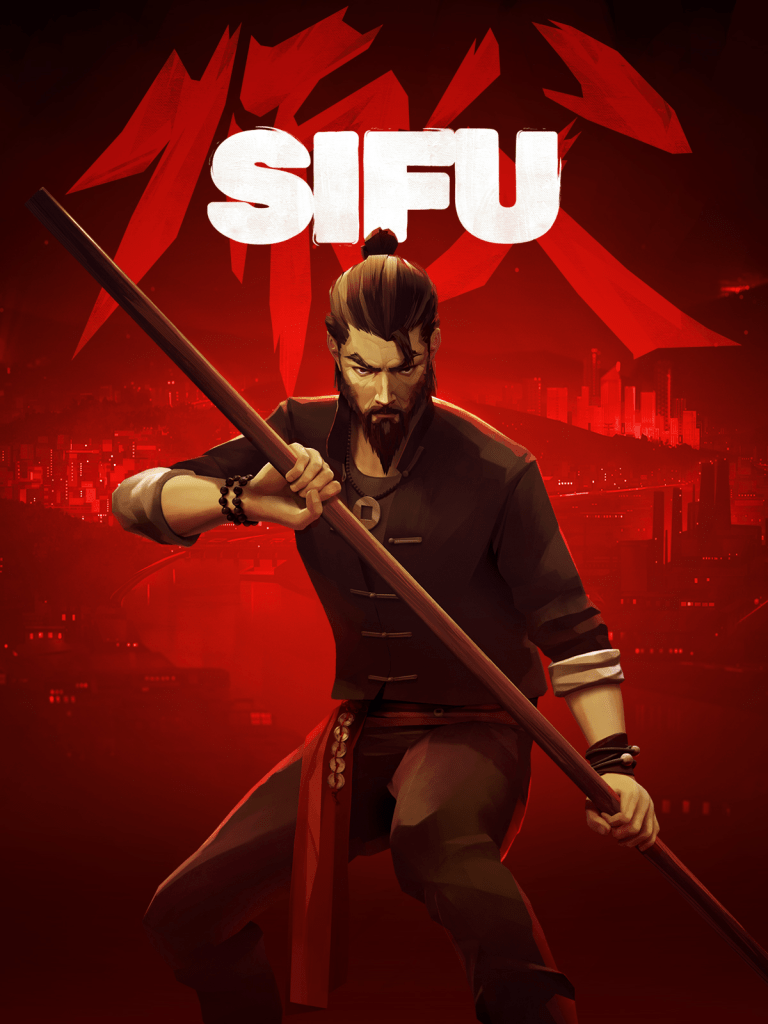
Hello everyone, and welcome back to my blog! Today, we’ll be taking a look at Sloclap’s Sifu, a single-player fighting game available on PC, Xbox, PlayStation, and Nintendo Switch. Released in 2022, the title began as an Epic Games Exclusive for its first year on PC but has recently made the jump to other storefronts, including Steam. With all of the renewed attention this release has garnered, what better time than now to dive into the Kung-Fu action that Sifu has to offer?
Story
Sifu begins on a dark and stormy night putting players in the shoes of a mysterious martial artist, who fights his way through what appears to be a dojo, taking on the students there with complete ease. Along the way he gathers with the rest of his men before reaching the inner sanctum where the school’s Sifu resides. After a brief battle the mysterious attackers are made victorious, killing the old man to secure the treasure he had hidden away. It was not the only thing stored in secret as the attacking force soon finds a young child, the son of the now dead Master. At the orders of the stranger the child is killed by one of the attackers.
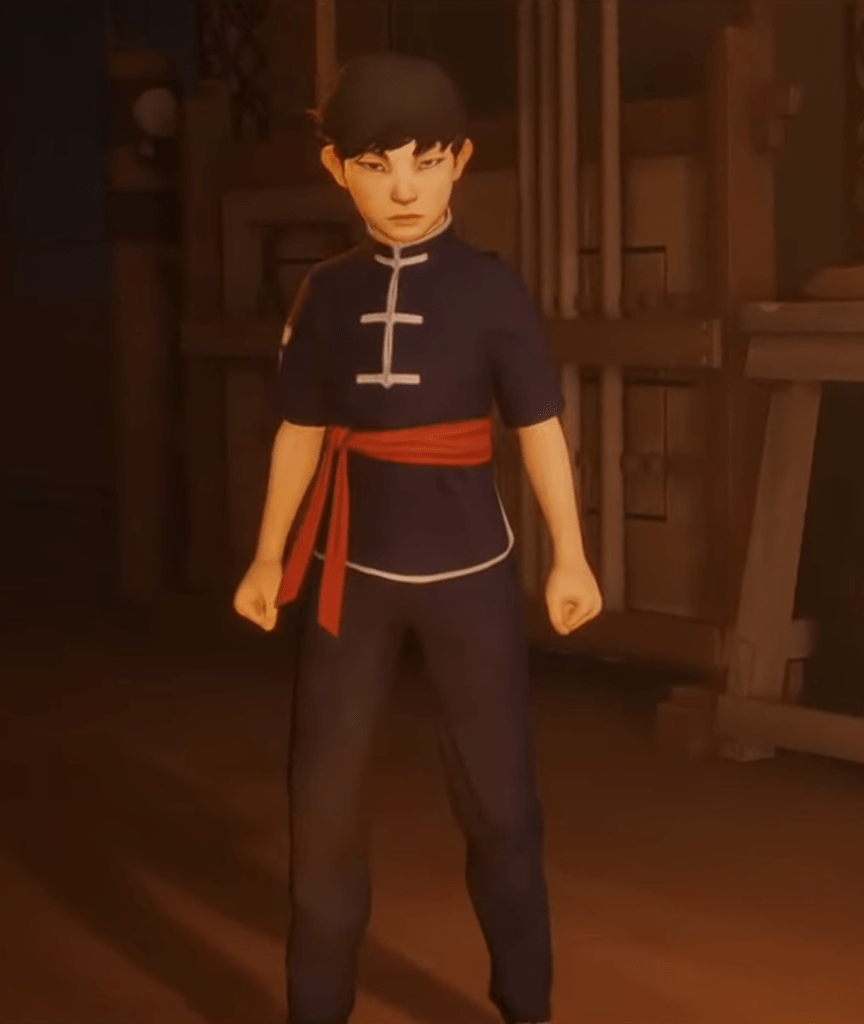
Only that isn’t exactly what happens as a mysterious relic clutched in the hands of the dying child restores them to life, a year older from when they died. And so that very child begins their quest for revenge, spending the next several years of their life training in the attempt to be ready to get revenge for the death of their father. I would like to clarify here that the use of gender neutral pronouns are due to the fact that you can choose whether you play as a boy or a girl. Aside from adjusting the appearance of the player model though this has no actual bearing on the plot but from here on out I will simply refer to them as the protagonist.
And so with the opening complete the protagonist looks out over the city to begin their quest for vengeance. Now this is actually where the plot of Sifu takes a rather unusual turn which is to say that there isn’t much more of it. At least on the surface level. If you were to continue playing the game without going off the beaten path very little of substance occurs. The protagonist fights their way through a variety of locales, at the end of each killing one of the raiding party that launched the attack on the dojo. All of this building up to the man who led the assault, Yang.
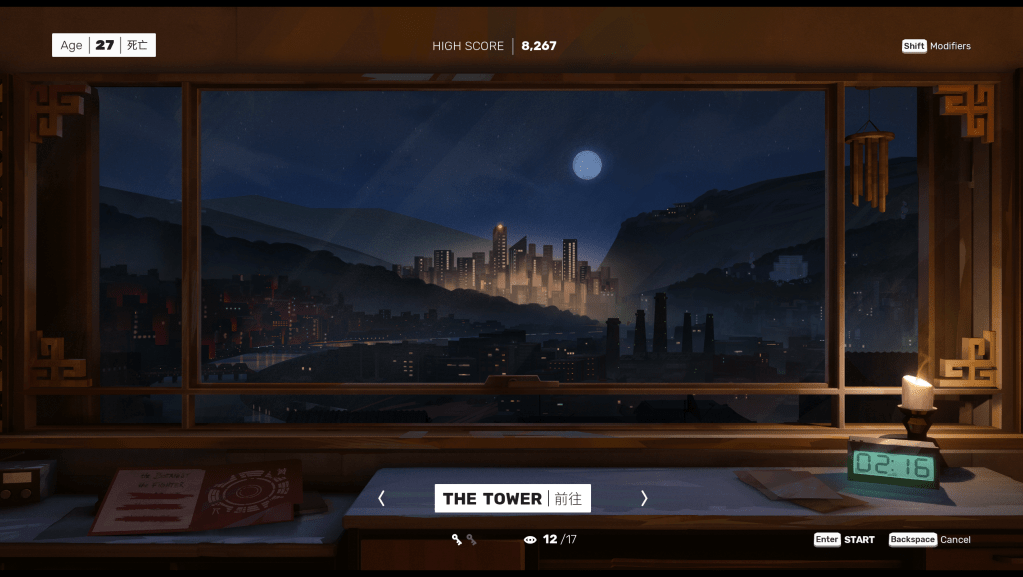
As far as revenge stories go it is difficult to get more straightforward than that and if fighting their way to the top was all there was then there would be little separating Sifu from your average old school beat em up. However the game makes it obvious that something more is clearly going on. While some of the members of the initial attack have stuck close to the criminal element, running narcotics and organizing illicit fighting rings, others have gone down a more positive path in becoming philanthropists and artists. The storyline becomes more clear as you find scattered scraps of evidence around each of the levels which can all be viewed on a clues board back at the dojo.
I won’t go into spoilers here but I will say that I really liked the way Sifu formatted its plot. So many games have ‘honor’ or ‘karma’ systems with good endings to contrast darker ones but often they’re always so straightforward. Sifu utilizes this concept in the way it should always be used, making the darker path the easier one while being good takes more effort.
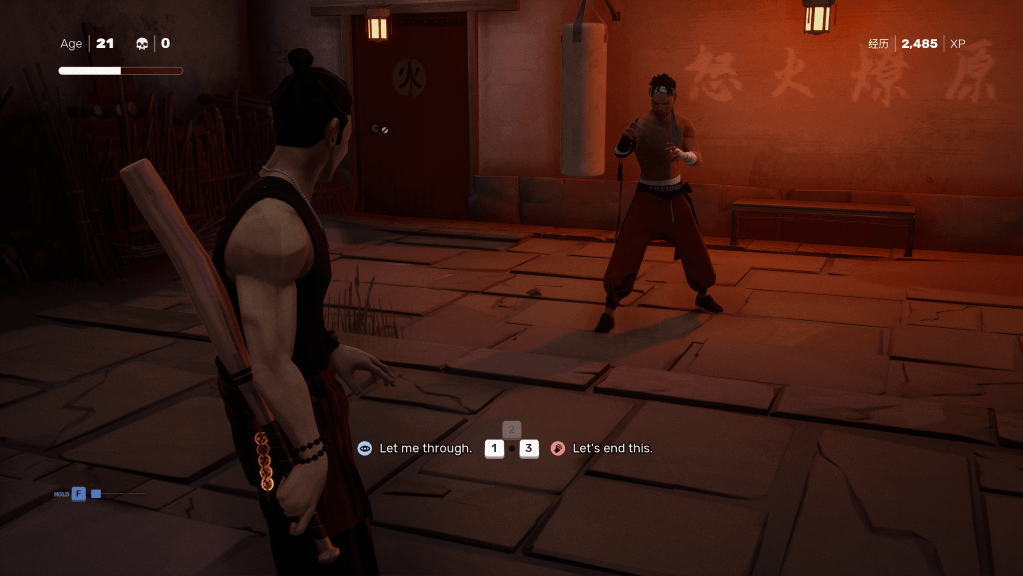
Still with this said I do still have some issues with some of Sifu’s other storytelling choices. For starters, the protagonist. I want to like them, really I do, but for most of the game they’re nothing more than a blank slate. At certain sections of each level the player is even permitted dialogue prompts which allow them to respond to certain situations although these often boil down to ‘Don’t make me fight you’ or ‘Fight me’. There are some glimmers of character here and there, with the protagonist throwing out a snarky line on occasion but it’s hardly enough to sell them as anything more than just a grade A ass kicker.
Although this is an issue that extends to much of the game’s roster. Most of what these characters are like must be gathered from extrapolated evidence courtesy of the clues on the detective board as well as some of the environmental details. The only direct interactions with the main antagonists comes from when you fight with some minor exceptions (namely the fourth target, the CEO).
Gameplay
Sifu is styled as a single player fighting game with a focus on martial arts. Unlike traditional fighting games such as Mortal Kombat or Street Fighter, which place emphasis on memorizing longer combo strings, Sifu values careful timing. In this sense it has more in common with the typical Souls-like with a parry and stamina system much like that found in FromSoftware’s Sekiro: Shadows Die Twice. Before I get deeper into the mechanics though let’s discuss the basics first.
Mechanical Overview
Sifu’s main campaign is broken up into five individual levels with each one ending in a boss fight. Each level progressively ups the challenge as one would expect, often introducing new enemies with more complex or quick attack patterns that the player will have to deal with. At the start of the game the main protagonist is equipped with a small but capable moveset including a few simple combos but more importantly two distinct defensive capabilities. The parry and the dodge.
First let’s discuss the parry. Every character in Sifu, including the protagonist, has a composure bar that acts as a sort of stamina meter. Blocking attacks or being hit will cause this meter to increase and if it reaches its maximum then the character in question will have their guard broken and left completely vulnerable. For the player this leaves them open to the enemies most dangerous attacks but breaking the composure of an opponent will create a window for a takedown which will immediately remove them from the fight.
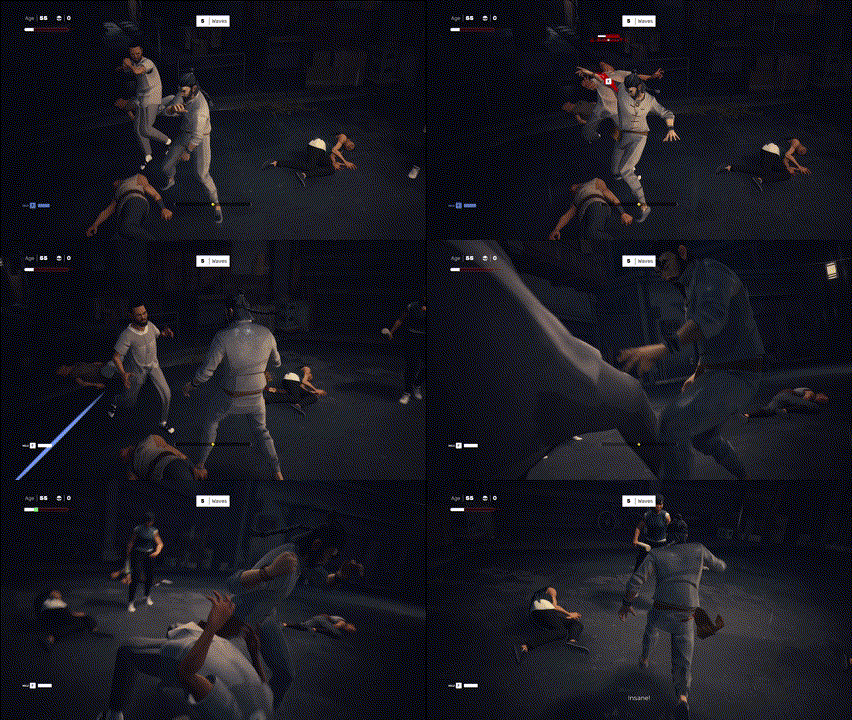
But how does the parry play into this? Well if the player taps the block button the moment the enemy would have struck then this results in a parry which drastically impacts the composure of the enemy and will often create an opportunity to counter attack. Additionally a successful parry will result in the protagonist losing no composure damage, making them a lucrative defensive option. Its greatest downside however is the precise timing needed. Going for a parry too early will result in the strike simply being blocked while being too late risks taking the strike head on. On top of that there are some heavy strikes which, even when parried, will still impact the protagonist’s guard.
Dealing with these blows efficiently requires the second defensive option befitted to the player, the dodge. While holding the block button the player can sway either down, left, or right as well as taking a step backward. This will allow them to avoid incoming blows with successful dodges resulting in both some composure being regained and time momentarily slowing down to allow you to efficiently counter attack. While not as directly impactful as parries, dodging makes up for it with the fact that every attack in the game can be dodged with heavy attacks like low kicks or grabs always resulting in windows of attack when successfully avoided.
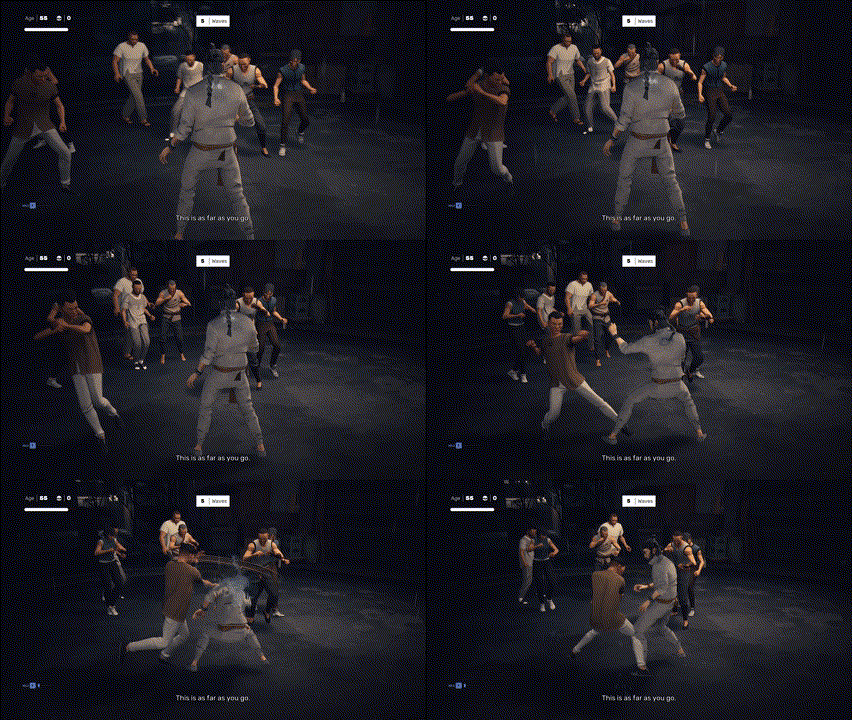
However there is only so much these defensive moves will do for you and eventually you’ll suffer your first death. This is not the end of the road though since as previously mentioned the main protagonist still has their magical relic. Dying in the middle of a level will result in the opportunity for you to use your currently acquired XP to level up your suite of moves before rising from where you fell with your age increased by one. Each subsequent death will cause these age ups to stack. For instance if your first death occurred at age 20 (the game’s starting age) then your age will be increased to 21. However dying again will increase the death counter to 2 and bring your next age to 23 and so on and so forth. The best way to decrease this counter is by clearing large groups of enemies or by defeating powerful opponents with these victories decreasing the death counter by 1.
Aesthetically this means you’ll be able to watch the protagonist shift from a youthful martial artist all the way up an elderly master but there are more mechanical components to keep in mind here. For starters there’s the fact that every ten years (30,40,50, etc…) your maximum health will decrease while your damage will increase. On top of that certain other unlockable abilities must be acquired by a certain age or else you’ll risk being locked out of them.
Since we’re on the topic let’s talk about unlockables. These can be divided into two camps. Shrine bonuses and new moves. Shrines bonuses are acquired by finding shrines throughout each of the levels. Once per shrine you can acquire a passive ability including such options as increasing your composure, making weapons to deal more damage, or making successful parries deal more composure damage to opponents. Aside from these passive buffs though, you can also opt to spend your XP to acquire new moves which can mean new combos, new defensive abilities, or focus attacks.
In Practice
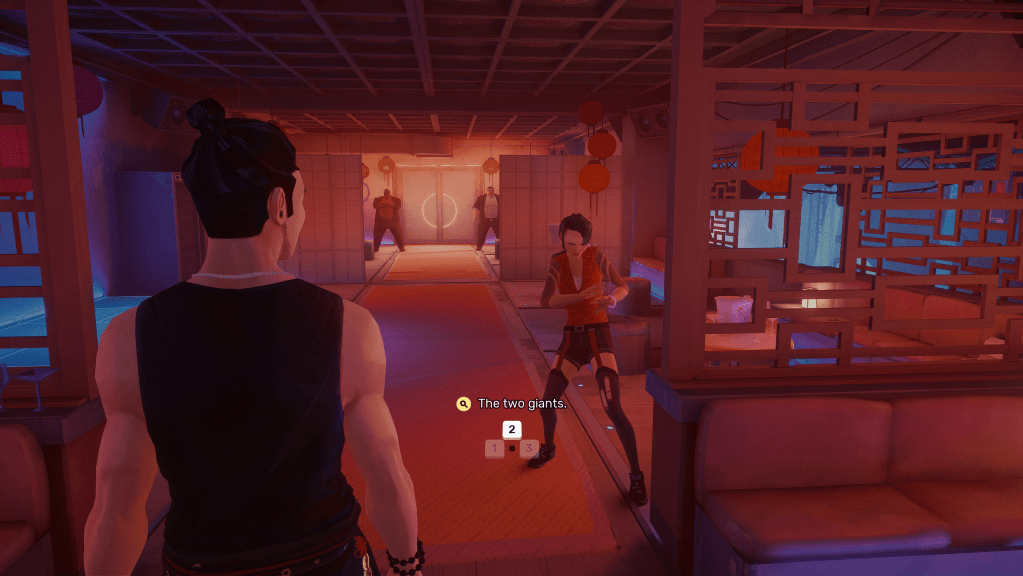
Now it’s likely pretty obvious that Sifu is a moderately complex title as even with all of that description there are still things that I can’t go over here like weapon movesets or focus attacks. The game is full of nuanced interactions that would be impossible to fully cover in just a simple review. Instead I am going to do my best to describe how all of these mechanics come together.
First, some things that I am not a fan of. As previously stated you can spend XP in order to obtain new moves however this is not entirely true. The first four times you acquire a new move it will be forgotten the next time you die. The only way to prevent this is by spending additional XP to permanently unlock it. On one hand I think this is a novel way to allow the player to experiment with what moves they like and dislike. However as someone who has experienced all of the moves the game has to offer I feel as though this teaches the wrong lesson to the player.
Each of these abilities has their place in the protagonist’s arsenal and there is nothing more frustrating than getting used to having one move, dying, and then forgetting you no longer have one of your core abilities in the middle of combat. Additionally there really is no reason to experiment since the devoted player will eventually be able to unlock all of the moves available and be better for it.
Then there’s the game’s most unique mechanic, the death system. As a whole I really enjoy the way it works as it really does encourage mastery over the mechanics. Sure you can try to push as far as you can in one lifetime but the end result will usually be an eventual game over as you can only go up to 90 before the game ends. However levels can be replayed at whatever age you entered it in which gives players who are willing to practice an easy way to make the later levels more doable. On top of that many levels will progressively award you shortcuts, allowing you to bypass major sections or even jump right to the boss if you’d rather not risk upping your age by playing through the entire thing again. This does come with an issue though that you’ll often be skipping those valuable shrines and forgoing the passive benefits they offer.

Together all of this works really well however none of it is very effectively conveyed to the player. Without using any external guides or sources Sifu fails to tell the player much of anything regarding its more complicated mechanics and even what it does tell you can be misleading at first. For instance, telling the player that their shrine benefits will be reset upon restarting a stage when a newcomer to the game may not be able to tell the difference between the passive shrine benefits and their movesets since both are acquired at shrines but only the passive buffs are reset upon a level restart.
However all of these issues pale in comparison to one of the game’s biggest flaws, the camera. Sifu is a game that relies on being able to clearly see and react to what your enemy is doing. More often than not your survival is based on being able to effectively maneuver around whatever your opponent throws at you, whether that comes in the form of them literally tossing a bottle across the room at your face or throwing out a sweeping leg kick that could shatter your guard. While careful practice can equip you with the skills needed to adapt to these scenarios there isn’t anything that can truly prepare you for how awful the camera can sometimes be.

At its best the shots that Sifu offers can lend themselves to making it feel like you’re both watching and playing through an action heavy kung-fu extravaganza. But at its worst the camera is getting caught on scenery, focusing on the wrong enemy while one off screen launches an attack, or showing you an enemy’s backside while his buddies use the opportunity of your temporary blindness to gang up on you. While it never reaches the point of being outright game breaking the camera is annoying just often enough to be worth highlighting here.
Much like the plot of Sifu I think that it’s gameplay could have been done with some more tell over show. There is thankfully a tutorial that you can review at any time in between levels that I would highly recommend new players utilize. While it does not tell you everything it does help clarify some of the more unique systems on offer. In the same spot where you access the tutorial there is also a training area that I also feel obligated to recommend. Having a safe space to practice your moves as well as understand the various patterns of the enemies is ridiculously helpful even if I wish it could be programmed to force specific combos from the enemies.
To wrap this section up I would also just like to highlight how much content Sifu has to offer. While one playthrough may only take around five hours it will take much more than that to really master what the game has to offer. An accomplishment that is encouraged through unlockable costumes as well as the second ending discussed in the previous section. But if that is not enough then the game has also been updated with an arenas mode which pits the player against a series of challenges that will definitely test your abilities for those looking for that added challenge.
Presentation
Sifu is a game that wears its inspirations on its sleeve. Heavily influenced by a variety of kung-fu centric action flicks, Sifu oozes style. Effectively able to combo homages with it’s own original set pieces the game really does effectively take the guise of a cinematic experience in all the best ways.
Before I get too ahead of myself though let’s begin with the game’s general artstyle. Those familiar with Sloclap’s previous title Absolver will find Sifu to be reminiscent of that game’s aesthetic especially in regards to the human characters. There is an emphasis on realism with some exaggeration used to give certain characters a more unique experience. The models themselves are easily readable and effectively match the games visual motif but even they pale in comparison to the real star of the show. The animations.
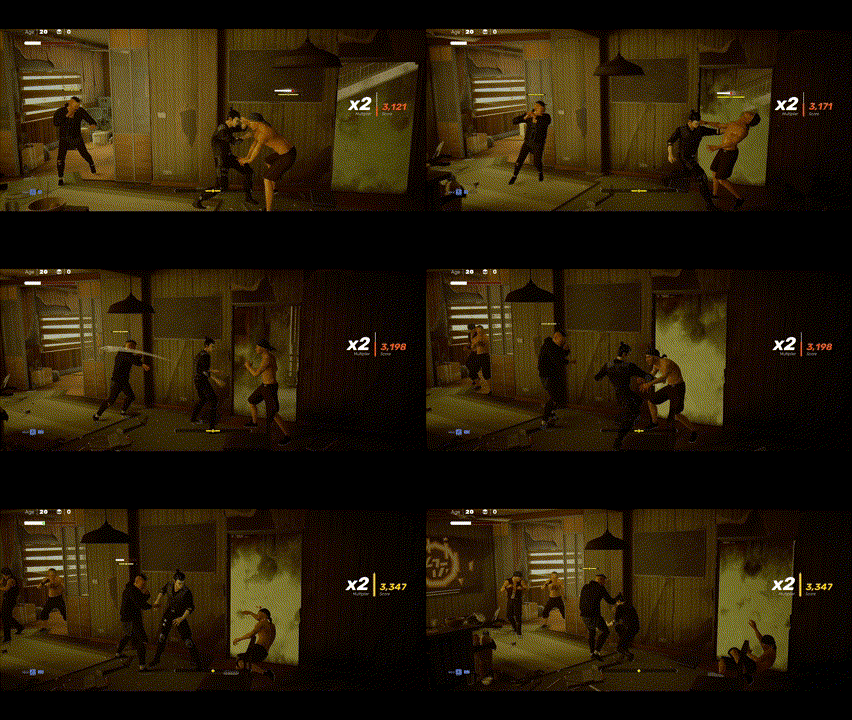
Sifu is a gorgeously animated game and isn’t afraid to hide it. I can’t even imagine the amount of work that went into making the characters move so fluidly but I can say that it paid off. Throughout my nearly twenty five hours of playtime I cannot once recall any issues regarding clipping or visual bugs. Nor can I recall ever seeing a scene that looked awkward, the fights always possessing a fluidity that can rarely be seen in other games.
And this is due in large part to the variety of takedowns and moves the game has to offer. The nuance continues here in much the same way it does in the gameplay. Takedowns differ in animation depending on whether an enemy is attacking you in open space, near a wall, at the edge of railing, on the stairs, if they’re on the ground, the distance they are from you, and likely other factors that I haven’t even considered.
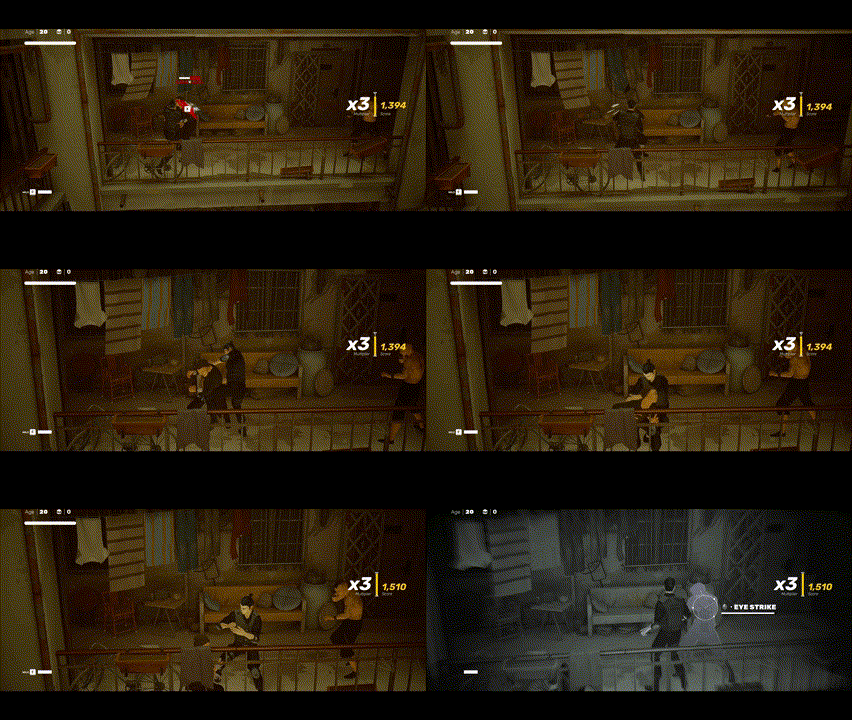
I was unable to find an exact number but according to online consensus there are around 40 individual animations present in the game exclusively for takedowns. From my own experience I can say that all of them are fantastic, none sticking out as being particularly worse than any of the others. Although as a small nitpick I do wish that the heavy opponents that become a more common occurrence later in the game had more than just one animation reserved for taking them down as of all the takedowns in the game that was the only one I grew tired of seeing.
I could praise the animations all day but there are other aspects well worth the attention as well. For instance the environments themselves which are a wonderfully diverse group of arenas to fight through. Starting from warehouses and slums your journey of revenge will see you battle through brightly lit clubs, elegant museums, and ancient ruins. Many of which contain references to a variety of cinema classics like Kill Bill, Oldboy, and The Raid which, while fun nods, don’t take away from making the levels feel real.
Each one is richly detailed and a treat for the eyes. The range is stellar as these environments not only feel like unique sets to battle through but also bring with them gameplay implications as well. Fighting through the tight, run down hallways of ‘The Squats’ feels much different from the open item-heavy spots of ‘The Museum’. And even when you’re not fighting, exploring these places in search of the game’s collectibles can often make you further appreciate the attention to detail that went into designing these locales.
Then there’s the music. I’m not quite an expert on this sort of thing but even I can recognize a dynamic soundtrack when I see one. The tunes of the level will weave themselves to where you are and there isn’t quite anything like hearing the beat suddenly pick up as you turn the corner into a collection of enemies. Though as enjoyable as this feature is I do feel that a lot of the music is ultimately forgettable. It succeeds in the moment quite well at amping up an already enjoyable scene but devoid of context it’s mostly generic.
Conclusion
Sifu is a game that has earned it’s place amongst the great kung-fu it so clearly admires. The fluid visuals and difficult but rewarding gameplay bring with them an immensely unique experience that fans of action titles are sure to love. I do wish that some of it’s more nuanced mechanics and story beats were a little more clearly laid out however even with these minor shortcomings I can firmly recommend Sifu.
 Jason Licitra